Your landscaping business isn’t ranking on Google because of common SEO mistakes that limit your online visibility. Fixing these issues can help your business attract more local customers. Here’s what might be wrong and how to address it:
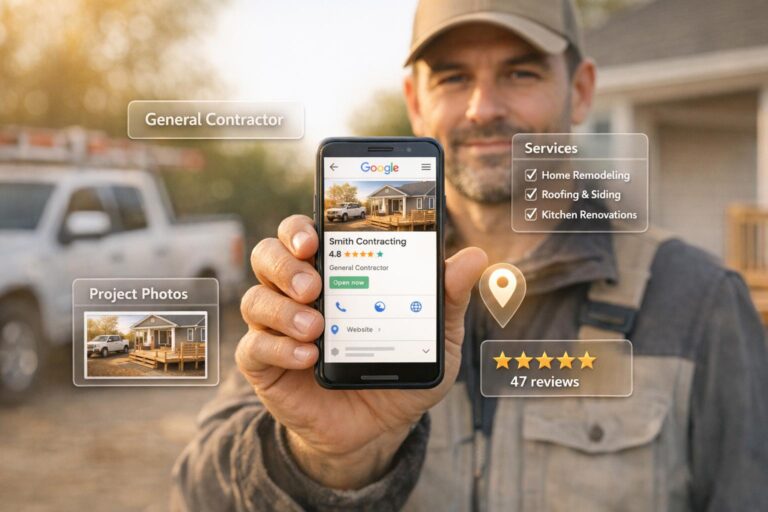
- Incomplete Google Business Profile: Verify and fully optimize your profile. Add services, photos, and keywords to improve relevance.
- Inconsistent Business Information: Ensure your Name, Address, and Phone (NAP) match across all platforms to avoid confusing Google.
- Weak Website Content: Create detailed, location-specific pages for services. Use keywords like "irrigation installation near me" to target local searches.
- Technical Problems: Fix slow-loading sites, optimize for mobile, and use schema markup to improve ranking.
- Lack of Reviews and Backlinks: Regularly collect reviews and build links from local organizations to boost prominence.
SEO for Landscaping Companies – Local SEO Strategy, Keyword Research, and GBP Optimization
sbb-itb-c45215a
Common SEO Mistakes That Hurt Your Rankings
Many landscaping businesses unknowingly hurt their online visibility with errors that are easy to fix. These mistakes can confuse Google, making it harder for potential customers to find you when they need your services. Let’s dive into some of the most common issues that could be holding back your local rankings.
Unverified or Incomplete Google Business Profile
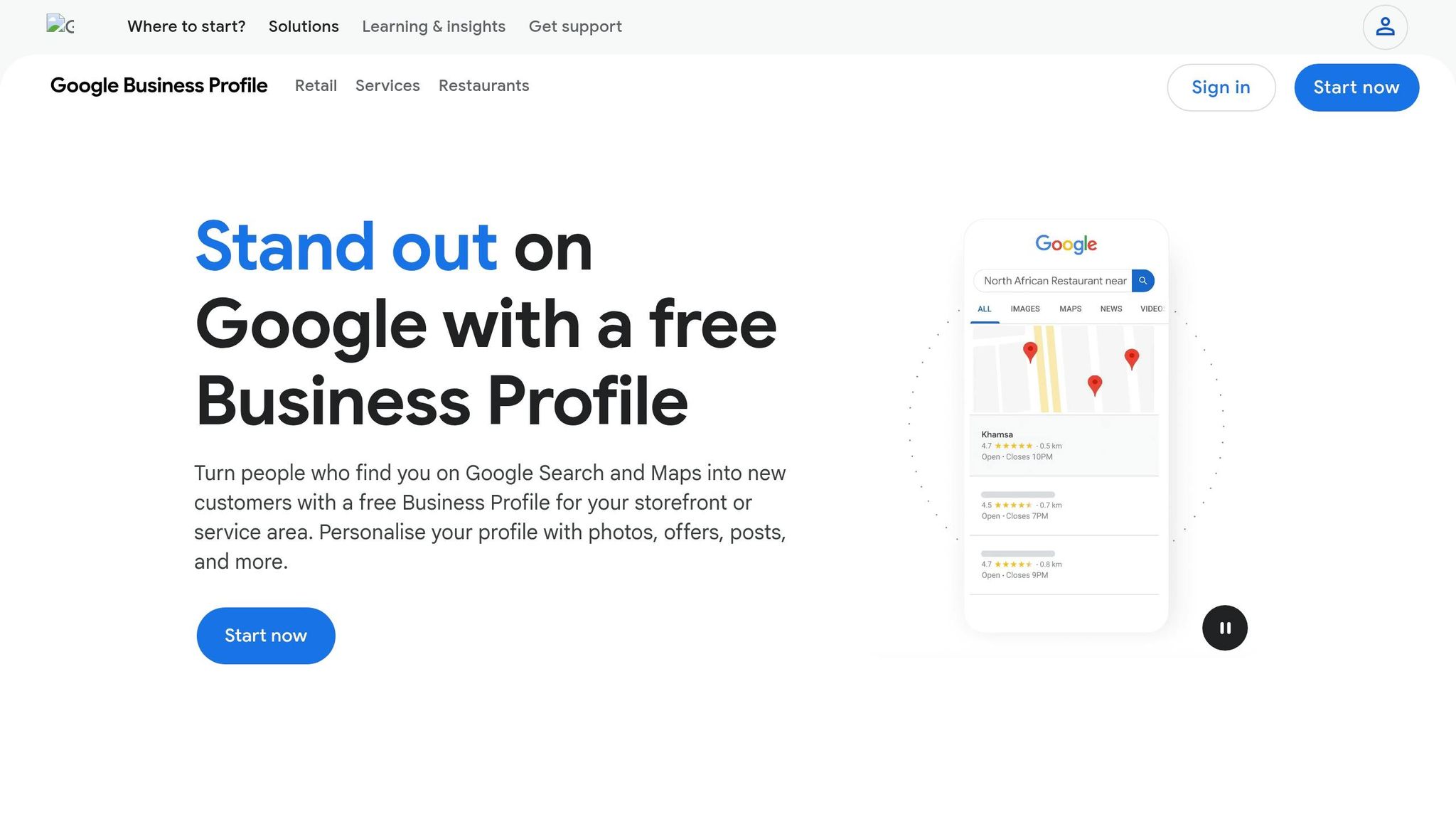
Your Google Business Profile is the cornerstone of your local search presence. If you haven’t verified your profile, you’re essentially invisible to local search algorithms. But even verification isn’t enough – leaving your profile incomplete can still hurt your visibility.
"Your Google Business Profile is the backbone of local SEO. It puts your business on Google Maps, pulls you into local search results, and drives real revenue through calls, clicks, and visits." – Rio SEO
Choosing the right primary category is critical. If your category is too broad – like "Business" instead of "Landscaper" – you miss out on reaching the right audience. Use all available category options to highlight specialized services, such as hardscaping, irrigation, or landscape design.
The Services section is another area where businesses often fall short. If you don’t list specific services, like sod installation or retaining wall construction, you’re missing opportunities to match with targeted searches. Each service should include a concise, keyword-rich description.
Photos can also make a big difference. Businesses with over 100 photos see call volumes increase by 2.6×. Skip the stock photos and upload original, geotagged images of your team at work or completed projects. Regularly updating your photos signals activity and relevance to Google.
Incorrect Business Information
Inconsistent business details across the web can confuse Google and hurt your rankings. If your Name, Address, and Phone number (NAP) don’t match across your website, social media, and local directories, search engines might not connect your business to local searches.
"Businesses with complete and accurate info are more likely to show up in local search results. If your business info isn’t accurate, your Business Profile might not show up for relevant searches in your area." – Google Business Profile Help
Mistakes like outdated hours, missing service areas, or broken links can also create problems. For instance, if your Google Business Profile links to a 404 error page or uses overly complex redirects, your SEO efforts might stall. Using UTM parameters to track updates can help clarify where your traffic is coming from.
Don’t forget to update special hours for holidays or seasonal changes. This can improve your chances of appearing in "open now" searches. Additionally, modern AI-driven search tools pull data from third-party directories, so errors there could exclude you from AI-generated suggestions.
Weak or Generic Website Content
Your website content plays a huge role in your search rankings. A generic homepage won’t rank well for specific, high-intent keywords like "hardscape contractor" or "irrigation installation". Landscaping companies that rank at the top capture most of the local clicks.
Take Portland Green Landscapes as an example. By creating targeted landing pages, they moved from page three to the top three in search results, increasing calls by 43%, boosting local traffic by 112%, and achieving a 2.7× ROI.
"Search engines reward specific, client-focused content." – 360 Nerds
Including local details – like climate considerations, HOA rules, or regional landscaping trends – can also boost your relevance. If you serve multiple cities, create unique pages for each location. Mentioning local landmarks or soil conditions not only improves local SEO but also avoids penalties for duplicate content.
Technical Problems That Lower Your Rankings
Even if your Google Business Profile is polished and your content is engaging, technical hiccups can still harm your rankings. Google favors websites that load quickly and function well on mobile devices. If your site falls short in these areas, you’re missing out on potential customers before they even get a chance to explore your services.
Poor Mobile Design and Slow Loading Speed
Since most landscaping leads come from mobile searches, a slow or poorly designed mobile experience can be a dealbreaker. With Google’s mobile-first indexing, your mobile site – not the desktop version – determines your ranking. If your site is sluggish or hard to navigate on a phone, it might as well be invisible to local searchers.
"A slow website drives visitors away. It also hurts your ranking on search engines." – Nazish Mohsin, Ready Business Systems
One common culprit? Large, uncompressed images that drag down your site’s speed. But it doesn’t stop there – heavy plugins, weak hosting, and inadequate caching can also bog down performance. Tools like Google PageSpeed Insights can help you pinpoint and fix these issues.
Mobile design isn’t just about speed. Essential features like a visible phone number and a click-to-call button should be easy to find – ideally above the fold – to convert visitors quickly.
Missing or Poorly Written Metadata and Local Keywords
Metadata – things like title tags, meta descriptions, and headings – should be locally optimized to help Google understand your page’s purpose. For example, instead of a vague title like "Services", use something more specific, such as "Hardscape Contractor in Austin – Retaining Walls & Patios".
"Without structure, AI cannot extract context." – Local Mighty
As AI tools evolve, especially by 2026, well-structured content will become even more important. Use question-based headings (like "How much does sod installation cost in Phoenix?") paired with concise, 40-60 word answers. Adding schema markup – such as LocalBusiness, FAQ, and Review schema – helps search engines and AI tools better understand your business context.
Don’t underestimate the power of long-tail keywords. Broad terms like "landscaping" are highly competitive. Instead, focus on specific phrases like "commercial landscaping design in Denver" or "irrigation installation near me." These terms not only face less competition but also attract searchers who are ready to take action.
Fixing these technical issues is a critical step toward strengthening your local visibility and boosting customer engagement.
How Local Signals and Reviews Affect Your Rankings
Once you’ve tackled the basics of SEO, focusing on local signals and reviews becomes essential. Google relies on these elements to confirm that your landscaping business is both legitimate and actively engaged in the community. This creates a solid foundation for using local citations and reviews to improve your rankings.
Missing Local Citations and Quality Backlinks
Citations are mentions of your business’s Name, Address, and Phone number (NAP) across various online platforms. Keeping your NAP details consistent everywhere is critical – any discrepancies can hurt your rankings.
Local backlinks are another game-changer. When organizations like neighborhood associations, local chambers of commerce, or nearby nurseries link to your site, it signals to Google that you’re an integral part of the local community. These connections carry much more weight than links from unrelated websites.
"Links are like online referrals. When another website links to yours, it signals to Google that your business is trustworthy and worth recommending." – LocalImpact
To boost your credibility, consider collaborating with complementary businesses like roofers, real estate agents, or garden centers. These partnerships can help you earn meaningful local backlinks. You can also sponsor a local sports team or community event, which often earns your business a spot on local websites, increasing both authority and visibility.
Not Enough Reviews and Online Activity
Reviews aren’t just a nice bonus – they’re a key ranking factor for your Google Business Profile and the local Map Pack. A steady stream of new reviews shows that your business is active and trustworthy in real time.
Studies reveal that 86.2% of consumers check Google reviews before making a decision, with 43% reading 4–6 reviews before hiring a service. For landscaping businesses, aiming for 15–25 fresh reviews per month during peak seasons can help maintain your rankings.
"A consistent review program is often the difference between ranking and being chosen." – Boris Mustapic, Content Marketing Consultant
Make it a habit to respond to every review, using specific details to highlight your local ties. This not only strengthens customer relationships but also signals to Google that you’re engaged and relevant. Automate the process by sending a quick text or email within 24 hours of completing a project, making it simple for satisfied customers to leave feedback.
Regularly updating your Google Business Profile also keeps your business visible and signals to Google that you’re staying active.
How to Improve Your Google Visibility
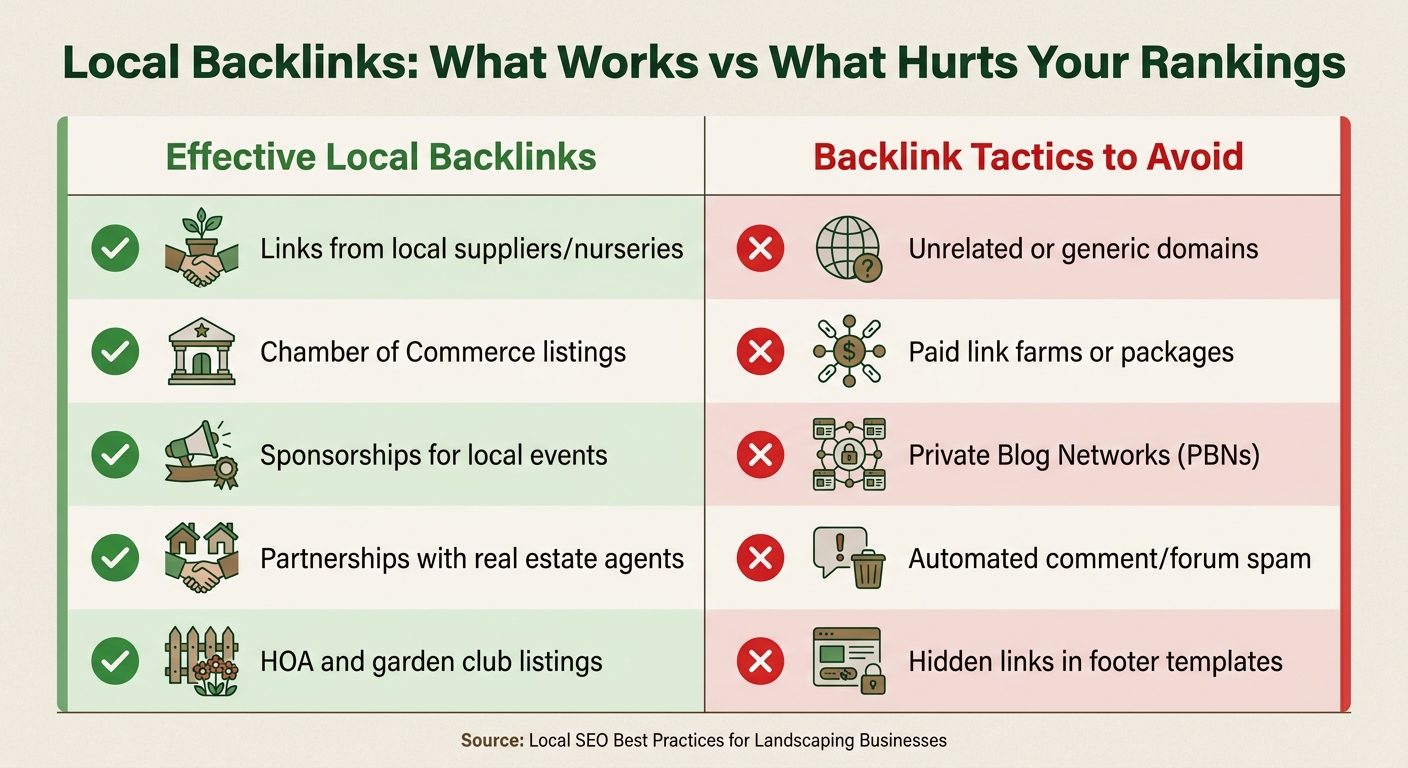
Effective vs Ineffective Local Backlink Strategies for Landscaping SEO
Boosting your visibility on Google requires a hands-on approach. Below are key strategies you can start applying today.
Optimize Your Google Business Profile
Your Google Business Profile is the cornerstone of local search visibility. Begin by selecting the primary category that best matches your most profitable service – whether it’s "Landscaper", "Landscape Designer", "Lawn Care Service", or "Tree Service".
Make sure every field is fully completed. Detail all the services you offer – like sod installation, hardscaping, irrigation, and tree trimming – and use keyword-rich descriptions. Verifying your business signals to Google that you’re authorized to represent it. Additionally, keep your address, phone number, and business hours accurate and updated.
Post high-quality, geotagged photos weekly to attract more calls. Showcase before-and-after shots, your team at work, and the tools you use. Regularly use Google Business Profile posts and add Q&A entries to provide more information for potential customers.
Once your profile is optimized, shift your focus to your website.
Create Detailed, Location-Specific Website Content
Generic content won’t help you stand out in competitive local markets. Instead, create unique landing pages for each city you serve (e.g., /city/lawn-care). These pages should include references to local landmarks, soil conditions, climate-specific plant tips, and HOA requirements.
Develop separate service pages for your key offerings, such as landscape design, hardscaping, irrigation, and seasonal cleanups. Use question-based headings like "How much does sod installation cost in [City]?" and provide concise answers (40–60 words) to boost your visibility in AI-driven search results. Interlink these pages by creating a central pillar page (e.g., "Landscaping Services in [City]") that connects to related articles such as "Best Grass Types for [City] Climate".
Timing is critical for seasonal content. Publish or refresh service pages at least 30 days before seasonal search trends spike. For example, release fertilization guides in March or fall cleanup tips in September to give Google time to rank your content.
Finally, address technical SEO issues and strengthen local signals to round out your strategy.
Fix Technical SEO Issues and Build Local Signals
Even the best content can be undermined by technical problems. Since 82% of landscaping searches happen on mobile devices, ensure your site is mobile-friendly. Your website should load in under 3 seconds, feature responsive design, and include click-to-call buttons for easy contact. Add schema markup for LocalBusiness, Service, Review, and FAQ to help search engines better understand your business information.
Building local backlinks is also crucial. Focus on partnerships with local suppliers, nurseries, chambers of commerce, and HOA resource directories. Consider sponsoring local events or sports teams and collaborating with complementary businesses like real estate agents or garden centers to earn quality backlinks.
| Effective Local Backlinks | Backlink Tactics to Avoid |
|---|---|
| Links from local suppliers/nurseries | Unrelated or generic domains |
| Chamber of Commerce listings | Paid link farms or packages |
| Sponsorships for local events | Private Blog Networks (PBNs) |
| Partnerships with real estate agents | Automated comment/forum spam |
| HOA and garden club listings | Hidden links in footer templates |
(Source:)
A great example of success is Portland Green Landscapes. By creating 11 service-specific landing pages and building 148 local citations, they achieved top 1-3 rankings for over 16 local keywords in just four months. This led to a 43% jump in service calls – from 52 to 74 per month – and a 2.7x return on their SEO investment.
"We’ve gone from struggling to get calls to having a full schedule. The landscaping SEO strategy has transformed our landscaping business." – Business Owner, Portland Green Landscapes
Finally, ensure all directories have consistent NAP (Name, Address, Phone) details, secure your site with SSL, and maintain a clean URL structure and XML sitemap .
Conclusion
Taking control of your online presence is entirely possible by tackling the challenges outlined earlier. With a methodical approach, you can start generating consistent local leads.
Focus on optimizing your Google Business Profile, crafting location-specific content that resonates with customer needs, addressing mobile design flaws, and building local authority through consistent citations and quality backlinks.
If done right, you can expect to see results within 60 to 90 days after resolving your technical and content issues. During busy seasons, target 15–25 new reviews per month to maintain your rankings and outpace competitors who may neglect their online presence.
And remember:
"Landscaping companies that behave like brands survive algorithm updates. Those who chase rankings disappear."
– LocalMighty
FAQs
How do I know if my Google Business Profile is the problem?
Your Google Business Profile (GBP) plays a key role in your local search visibility. If your profile is suspended, contains errors, or has missing details, it can seriously hurt your rankings. Issues like inconsistent rankings or disappearing from Google Maps often signal underlying optimization problems.
To stay ahead, make sure your GBP is:
- Verified: An unverified profile won’t perform well in local searches.
- Accurate: Double-check all your business information, like address, phone number, and hours of operation.
- Compliant: Follow Google’s guidelines to avoid penalties or suspensions.
Regularly reviewing and maintaining your GBP ensures you’re set up for a stronger local search presence.
What location pages should a landscaping website have?
If your landscaping business serves multiple areas, your website should feature dedicated location pages for each neighborhood, city, or region you cover. These pages are crucial for boosting your local SEO and connecting with potential clients in specific areas.
Here’s what to include on these pages:
- Local keywords: Use terms that people in the area are likely to search for, such as "landscaping services in [City Name]."
- Service details: Clearly outline the services you offer in that particular location.
- Contact information: Make it easy for potential customers to reach you by including a phone number, email, or contact form.
To make these pages even more effective, add area-specific details like local landmarks or seasonal landscaping tips. Including testimonials from nearby clients can also build trust and show your connection to the community. Finally, don’t forget to include clear calls-to-action to guide visitors toward scheduling a consultation or requesting a quote.
By tailoring your content to each location, you’ll improve your chances of appearing in local search results and attract more clients looking for landscaping services in their area.
Which local backlinks actually help landscaping SEO?
Local backlinks play a major role in boosting your landscaping business’s SEO. The best ones come from trusted, locally relevant sources, such as:
- Local business directories: Listings in directories like Yelp or your local Chamber of Commerce site can enhance your online presence.
- Industry-specific websites: Getting featured on landscaping or home improvement websites helps establish authority in your field.
- Local news outlets: Mentions or features in regional news stories can drive both credibility and traffic.
- Community organizations: Partnerships with local nonprofits or sponsorships of community events can lead to valuable backlinks.
These links tell Google that your business is well-regarded within the local community, which can improve your rankings on Google Maps and in local search results. Building relationships through community involvement or collaborations often opens up opportunities for earning these high-quality backlinks.